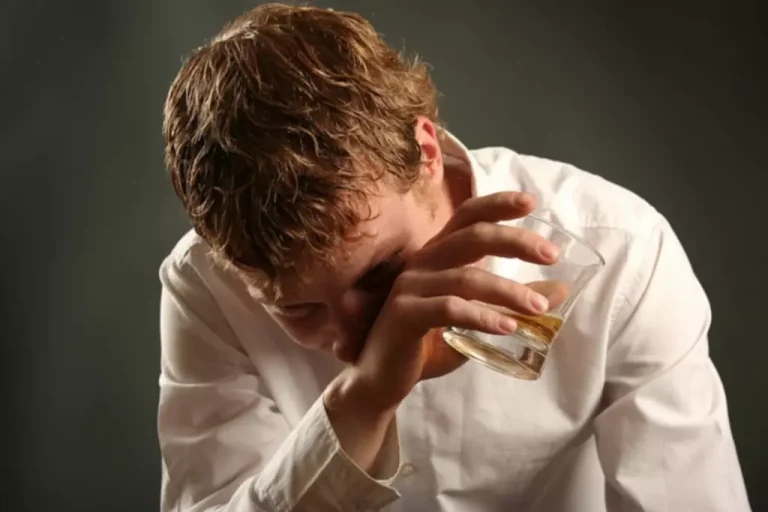
Studies indicate an evening of heavy drinking leads to a significant reduction in REM sleep during the first half of the night. “Similarly, if you tear it up once a year, it’s probably irrelevant, but understand that you’ve missed out on your restorative sleep that night,” he says. “On the other hand, if you’re drinking at night 30 percent of the time, then you are making the decision to turn your back on the normal synthesis and release of growth hormones.” Here, we explore how a nightcap affects your body and brain, and whether it throws your sleep just slightly off track — or majorly out of whack. Ironically, even though drinking can make you feel drowsy, experts agree that it’s kryptonite to a good night’s rest.
It Can Increase Your Risk of Sleep Apnea
Alcohol has a direct effect on circadian rhythms, diminishing the ability of the master biological clock to respond to the light cues that keep it in sync. Those effects of alcohol on the biological clock appear to persist even without additional drinking, according to research. Alcohol is a central nervous system depressant, which is why does alcohol help you sleep it gives you that pleasant, relaxed feeling.
Bedroom Environment
- People who regularly drink alcohol are 25% more likely to have obstructive sleep apnea, although the connection may be partly due to other shared risk factors such as obesity.
- An estimated 20% to 30% of people report drinking to manage insomnia.7 While alcohol can initially cause sedation, over time, alcohol causes major disruptions in the quality of sleep.
- Up to 30% of people in the U.S. struggle with mild to chronic insomnia, a common sleep disorder that’s characterized by difficulty falling asleep, staying asleep or getting restorative sleep1.
Alcohol interferes with these circadian rhythms regulating the liver, and can contribute to compromised liver function, liver toxicity, and disease. His research and clinical practice focuses on the entire myriad of sleep disorders. Your sleep environment and daily routines, known collectively as sleep hygiene, play a critical role in your ability to sleep well. A healthy sleep environment entails finding the best mattress, pillows, sheets, and decor to promote restful sleep. Studies of carbohydrate intake and sleep have had mixed results overall, but some evidence connects rice consumption with improved sleep.
Personal Relaxation Methods
This age-old tradition has its roots in the belief that alcohol can help induce sleep and provide a sense of relaxation after a long day. However, the relationship between alcohol and sleep is far more complex than it may seem at first glance. Reducing your alcohol intake, especially in the hours leading up to your bedtime, can help you wake up well-rested and energized in the morning.
Why Do Alcoholics Often Experience Insomnia?
While the research isn’t conclusive, it does suggest using alcohol as a sleep aid for insomnia could increase the risk of alcohol abuse. To get my sleep (and health) back on track, I’ve decided to temporarily quit drinking and do a dry month challenge. Here, learn more about how alcohol affects sleep and the many benefits you can expect from a dry month. The effects of alcohol in the body are what are known as biphasic, meaning “in two phases.” When first consumed, alcohol has a stimulating effect. Later, after alcohol has been in the system for a period time, its effects are sedating.